
Is Your Story Worth Sharing? What Carmen Rita Wong Taught Us About Memoir
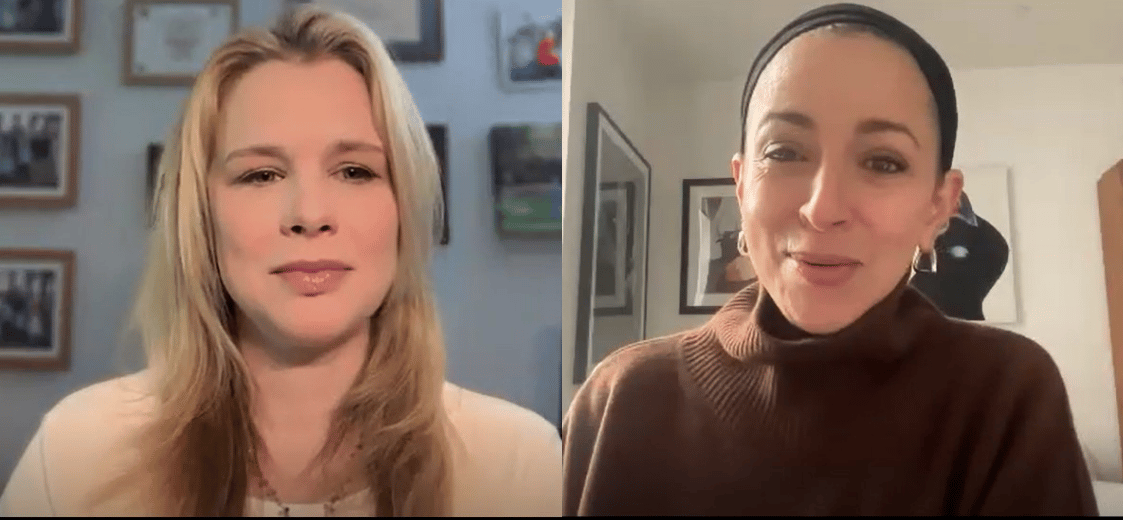
When Carmen Rita Wong joined our Finish School book club in February of 2026 to talk about Why Didn’t You Tell Me?, she gave a master class on what nonfiction is really for.
Over and over, she came back to one big idea: your lived experience is worthy material. You don’t need the most dramatic plot or the “correct” version of events. You just need your truth on the page, as you remember and feel it.
Carmen kept reminding us that memory is processed, not perfect. “You are the processor,” she said, and the job of the nonfiction writer is to make the writing “as you as possible”: finding your voice, cutting ruthlessly to what serves the heart of the story, and being willing to ask “Why did I do that?” until the pattern starts to reveal itself.
When we do that honestly, the work can loosen shame—for us and for our readers—and offer that simple, powerful message: you’re not alone.
Here are some of my favorite pieces of advice from Carmen’s talk:
1. On treating memoir as your truth
“Memoir is your truth… Think of it as: these are the stories and experiences that shaped me, who I am.”
2. On permission to write imperfect memory
“You have full permission to write your memory. It is not fictionalized. It is processed through a human being. You are the processor…your memory belongs to you.”
3. On the value of your story
“All of our stories are valid and worthy—all of them.. Your story lives in thousands of other people. What these people are looking for is someone to say, ‘You are not alone.’”
4. On scheduling your writing
“I have to be my own toughest boss and put a schedule and just make it happen.”
5. On how long it really takes
“It took five years… multiple iterations for me to get to finding my voice, finding the structure, finding what I wanted to tell.”
6. On finding your voice
“You gotta make your writing as you as possible… blocking everything else out and making things absolutely, undeniably your own. It’s a process. It’s definitely worthwhile doing.”
7. On what to keep in the book
“Every scene… I got pretty merciless. I’d be like, okay, but does this tell me anything new? At the end of the day, it is storytelling, not a journal. You do want to keep what serves the essence of the story.”
8. On introspection vs. navel-gazing
“Navel gazing is boring. However, processing—doing the work yourself—is so, so, so important… The constant of asking ‘why’...it’s so useful, it’s so enlightening. Know thyself.”
9. On doubt and ‘who will care?’
“When you said, ‘Who wants to read my story’ Girl, please… It’s not, ‘Is my story valid and worthy?’ It’s, what are you putting down and why? Because I can assure you that your story lives in thousands of other people.”
10. On what memoir can do for readers
“Even if it’s something tiny, you’re giving people things to hang on to that say to them, ‘You are not alone. Thank you.’... Even though it’s me, me, me, you are sharing.”